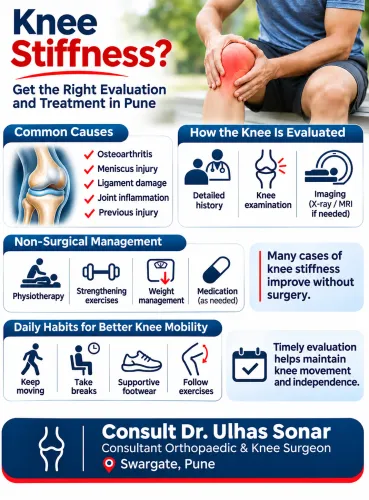
Knee pain is common, but persistent pain should not automatically be dismissed as a normal consequence of ageing, exercise or a busy lifestyle. The underlying causes range from temporary strains to progressive arthritis and significant ligament or cartilage injuries.
Knowing when to consult a Knee Pain Doctor can help patients avoid unnecessary delay while also preventing premature decisions about surgery.
Occasional Pain Is Different From Persistent Symptoms
A mild knee ache after unusual activity may improve with rest and appropriate self-care. Persistent or recurrent symptoms deserve closer attention.
A specialist evaluation becomes particularly relevant when knee pain:
Continues for several weeks
Repeatedly returns
Interferes with walking
Makes stairs difficult
Disturbs sleep
Causes swelling
Produces stiffness
Limits work or exercise
Is accompanied by instability
The severity of pain does not always correspond perfectly with the amount of structural damage, which is another reason assessment matters.
Common Causes of Knee Pain
Knee pain can have many sources, including:
Osteoarthritis: Gradual cartilage and joint changes can cause pain, stiffness and reduced mobility.
Ligament injuries: ACL and other ligament injuries may produce instability, particularly during turning or sports.
Meniscus injuries: Damage to the meniscus can cause pain, swelling, catching or difficulty moving the knee.
Patellofemoral problems: Pain around the kneecap may occur during stairs, squatting or prolonged sitting.
Trauma: Falls, accidents and sports injuries can damage bones or soft tissues.
Inflammatory conditions: Certain medical conditions can cause joint inflammation and persistent symptoms.
Does Knee Pain Always Mean Arthritis?
No.
Knee pain is not synonymous with arthritis. Younger patients can experience significant symptoms because of sports injuries, ligament damage or cartilage problems.
This distinction is particularly important because treatment depends on the diagnosis.
What Happens During a Knee Consultation?
A specialist may review your symptoms, medical history and activity levels before performing a physical examination.
Depending on the suspected problem, imaging may include X-rays, ultrasound or MRI. Not every patient requires every investigation.
The objective is to connect symptoms with clinical findings and determine whether the problem can be managed conservatively or requires further intervention.
When Is Urgent Attention Appropriate?
Sudden severe pain following an injury, inability to bear weight, major swelling, visible deformity, fever associated with a hot swollen joint, or other concerning symptoms should receive prompt medical assessment.
For less urgent but persistent symptoms, scheduling an orthopaedic consultation can help identify the underlying cause before the condition significantly affects daily life.
Dr.Ulhas Sonar Consultant Orthopaedic and Knee surgeon provides knee-focused consultations in Swargate, Pune, for people experiencing persistent knee pain and related conditions.
The purpose of specialist care is not automatically to recommend surgery. Often, the most useful outcome of an assessment is knowing exactly what is causing the pain and what treatment options are available.