Joint pain and movement difficulties can develop gradually or appear suddenly after an injury. While some conditions improve with rest and rehabilitation, others require detailed medical evaluation to prevent ongoing discomfort and functional limitations.
An Orthopedic Surgeon in Pune can assess these problems and help patients understand the available surgical and non-surgical treatment options.
What Are the Common Reasons for Orthopedic Consultation?
People may seek orthopaedic care for several reasons, ranging from sports injuries to age-related joint degeneration.
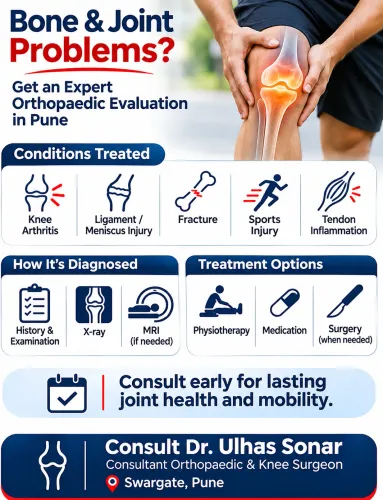
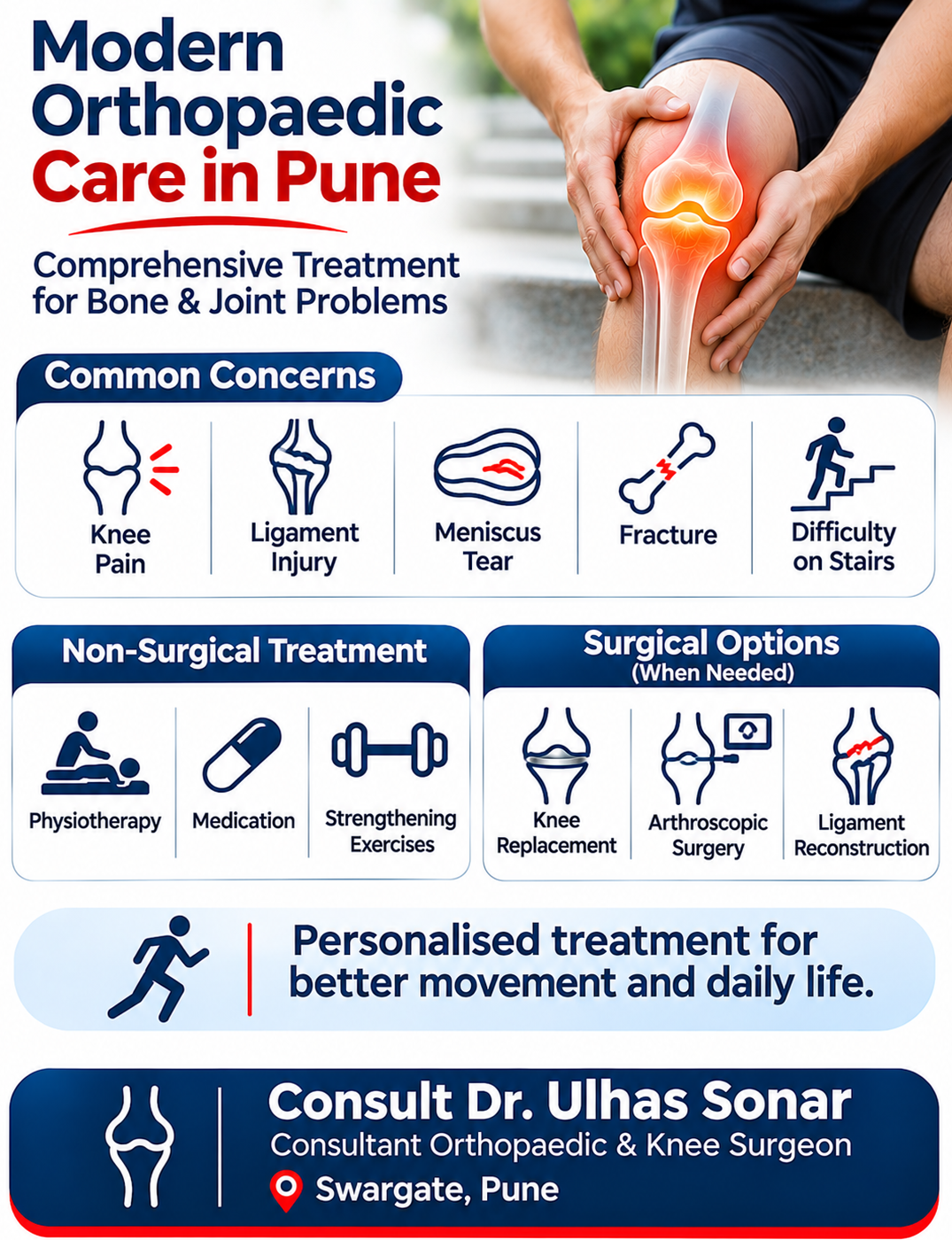
Common concerns include:
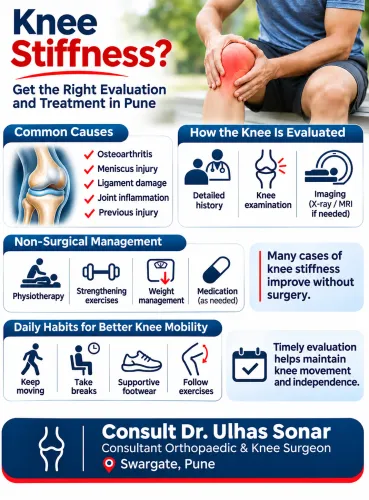
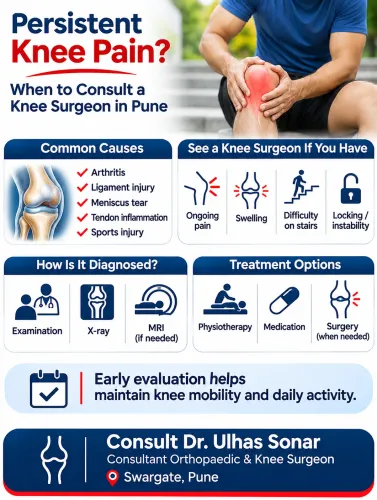
Persistent knee pain
Joint swelling and stiffness
Ligament injuries
Meniscus tears
Bone fractures
Difficulty walking or climbing stairs
Reduced joint flexibility
Symptoms may develop due to injury, inflammation, degenerative changes or excessive strain.
How Does an Orthopedic Surgeon Decide on Treatment?
Treatment planning begins with a clinical assessment.
The surgeon reviews the patient's medical history, examines the affected joint and evaluates how symptoms interfere with daily activities.
Diagnostic imaging may help identify structural abnormalities.
The treatment plan considers factors such as the severity of the condition, the patient's age, general health, activity level and previous treatment response.
What Non-Surgical Treatments May Be Recommended?
Many orthopaedic problems can be managed without an operation.
Treatment may involve:
Physiotherapy to improve strength and flexibility
Activity modification to reduce joint strain
Weight management when appropriate
Medication for pain and inflammation
Supportive devices when clinically indicated
Structured rehabilitation following injuries
The effectiveness of these approaches depends on the underlying condition.
Patients should follow individualised recommendations rather than attempting exercises that may aggravate an existing injury.
When Does Surgery Become an Option?
Surgery may be considered when significant structural damage affects joint function or when suitable non-surgical treatment does not provide adequate improvement.
For example, advanced knee arthritis may require consideration of joint replacement when pain and disability remain substantial despite appropriate treatment.
Certain ligament or cartilage injuries may also require surgical evaluation.
The surgeon should explain the expected benefits, potential risks and rehabilitation requirements before a decision is made.
How Can Patients Maintain Better Joint Health?
Regular physical activity, appropriate strengthening exercises and maintaining a healthy body weight can support joint function.
For patients in Pune, simple habits such as taking movement breaks during office hours and gradually increasing exercise intensity may also be helpful.
Dr. Ulhas Sonar, Consultant Orthopaedic and Knee Surgeon, provides orthopaedic care in the Swargate area of Pune.
A consultation can help patients understand their condition and choose a treatment approach suited to their mobility needs.
The aim of orthopaedic care is not simply to reduce pain, but also to support comfortable movement and everyday independence.