Healthy knees play an important role in maintaining independence and mobility. From everyday walking to exercise and recreational activities, the knee joint supports many movements throughout life. However, modern lifestyle habits, increased screen time, reduced physical activity, and improper exercise techniques can gradually affect joint health.
An Orthopaedic Surgeon evaluates not only existing injuries but also the factors that contribute to joint problems. Prevention and early care can often reduce the risk of severe knee conditions in the future.
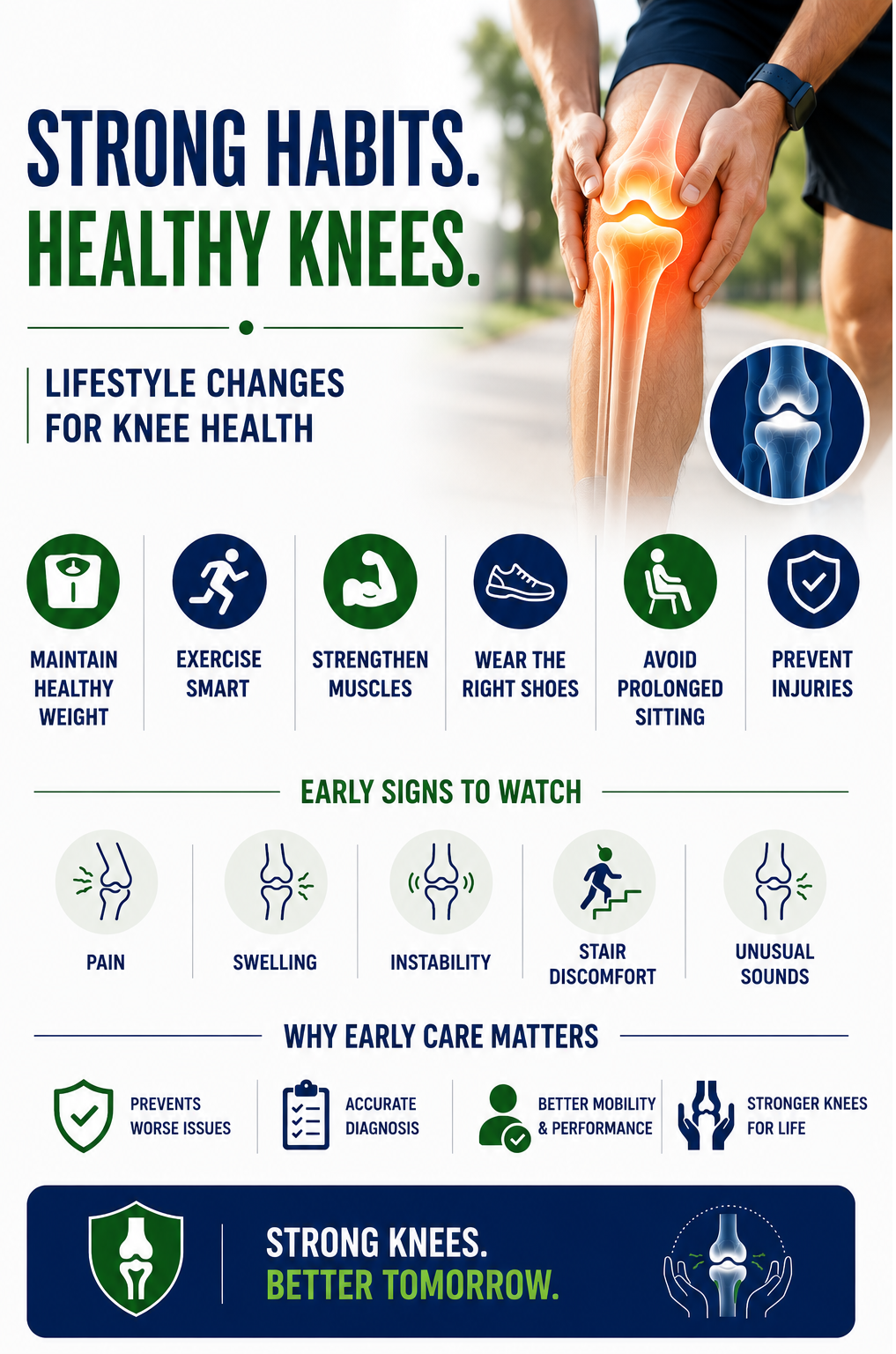
One of the most important factors affecting knee health is body weight. The knees carry significant pressure during standing, walking, and climbing stairs. Excess weight can increase stress on the joint and accelerate cartilage wear over time. Maintaining a healthy weight through balanced nutrition and regular activity can help reduce unnecessary strain.
Exercise is another essential part of maintaining strong and flexible knees. However, the type and intensity of exercise matter. High-impact activities without proper preparation may increase the risk of injury.
Helpful habits include:
Warming up before workouts
Increasing exercise intensity gradually
Strengthening thigh and core muscles
Using correct techniques during sports activities
Allowing sufficient recovery time
Muscle strength has a direct relationship with joint support. Strong quadriceps, hamstrings, and surrounding muscles help improve knee stability and reduce excessive pressure on joint structures.
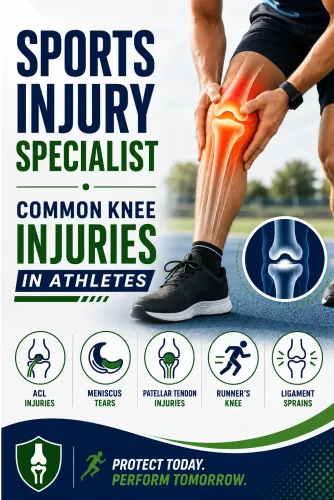
For people involved in sports, injury prevention becomes even more important. Athletes, runners, and fitness enthusiasts frequently experience conditions related to overuse, ligament strain, or sudden movements. A Sports Injury Specialist can assess movement patterns and recommend suitable preventive strategies.
Footwear selection is another often-overlooked factor. Shoes that provide appropriate support and cushioning can help maintain proper alignment during activities. Wearing unsuitable footwear for running or sports may contribute to discomfort and increased stress on the knees.
Daily movement also matters. Long periods of sitting can lead to stiffness and reduced muscle flexibility. Simple habits such as taking movement breaks, stretching regularly, and maintaining good posture can support joint function.
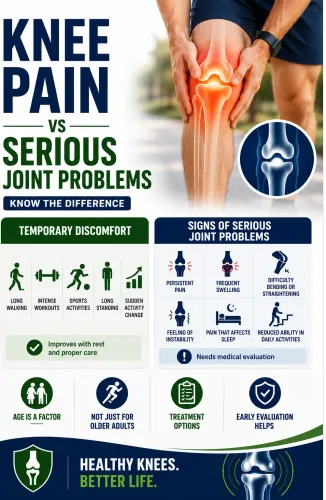
People experiencing early signs such as occasional swelling, stiffness after sitting, or discomfort while climbing stairs should consider professional evaluation. These symptoms may indicate underlying issues that require attention.
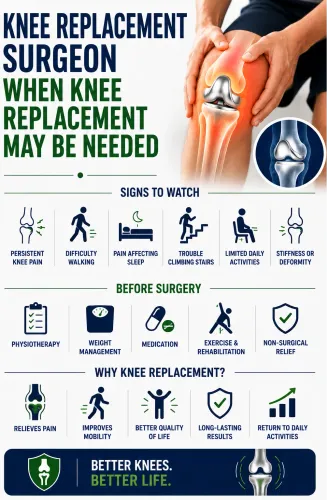
A Knee Specialist can identify whether symptoms are related to cartilage changes, ligament problems, muscle imbalance, or other conditions. Early diagnosis allows patients to explore appropriate treatment options before problems become more complex.
Dr.Ulhas Sonar Orthopaedics Clinic in Pune provides assessment and guidance for individuals dealing with knee and orthopaedic concerns. Understanding the cause of symptoms helps create a more personalised approach rather than relying only on temporary pain relief.
Protecting knee health is not about avoiding all physical activity. Regular movement, proper exercise planning, injury awareness, and timely medical guidance all contribute to maintaining strong and functional joints. Small lifestyle improvements today can support better mobility in the years ahead.