Knee pain is one of the most common musculoskeletal concerns affecting people of different age groups. While many people associate knee problems only with ageing, discomfort can also occur due to sports injuries, overuse, previous trauma, lifestyle factors, or changes inside the joint. Understanding the reason behind knee pain is the first step towards choosing the right treatment approach.
The knee is a complex joint that supports body weight and allows movements such as walking, climbing stairs, sitting, and running. It includes bones, cartilage, ligaments, tendons, and muscles that work together for stability and movement. When any of these structures are affected, symptoms such as pain, stiffness, swelling, or reduced mobility may develop.
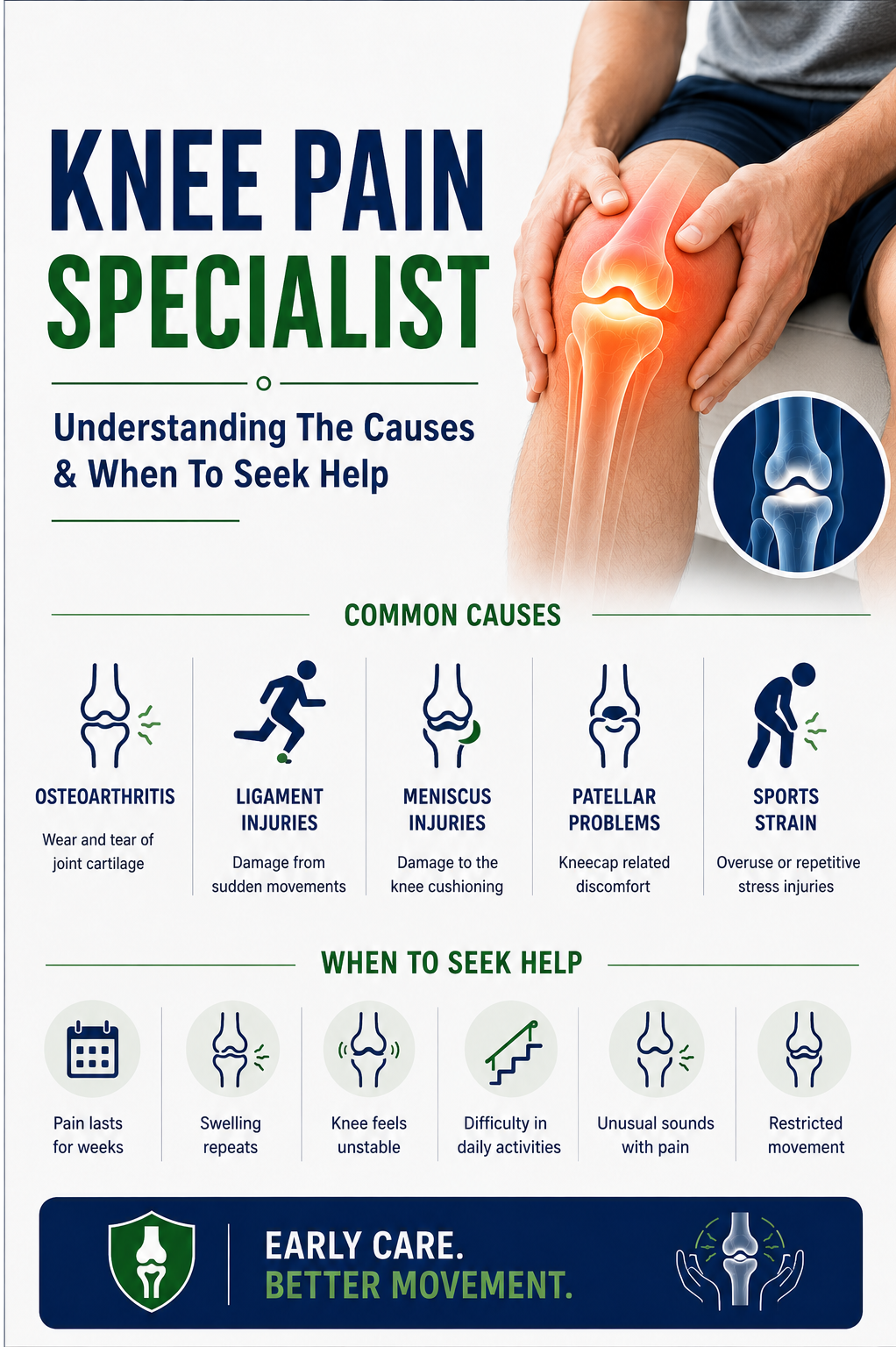
A knee specialist evaluates the exact cause rather than focusing only on pain relief. Some common reasons behind knee discomfort include:
Osteoarthritis: Gradual wear and tear of joint cartilage can lead to pain, stiffness, and difficulty with daily activities.
Ligament injuries: Sports activities or sudden twisting movements can damage structures such as the anterior cruciate ligament (ACL).
Meniscus injuries: Damage to the cushioning cartilage inside the knee may cause pain, swelling, or locking sensations.
Patellar problems: Issues involving the kneecap can affect movement and create discomfort while climbing stairs or sitting for long periods.
Sports-related strain: Repetitive stress from athletic activities may result in overuse injuries.
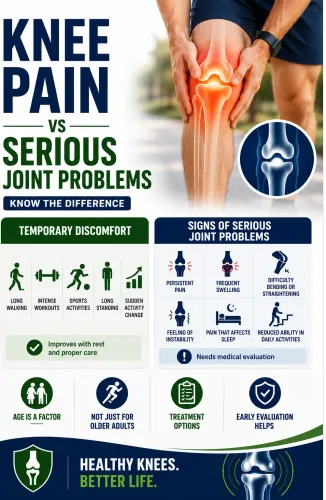
People in Pune often delay consultation because they assume knee pain will improve on its own. Occasional discomfort after heavy activity may not always indicate a serious condition, but persistent symptoms require proper evaluation.
A consultation with a Knee Pain Specialist can be useful when:
Pain continues for several weeks
Swelling repeatedly occurs
The knee feels unstable while walking
There is difficulty performing routine activities
The joint makes unusual sounds with discomfort
Movement becomes restricted
Diagnosis usually begins with a detailed discussion about symptoms, activity levels, previous injuries, and medical history. A physical examination helps assess joint stability, movement range, and areas of tenderness. Depending on the condition, imaging tests such as X-rays or MRI scans may be recommended.
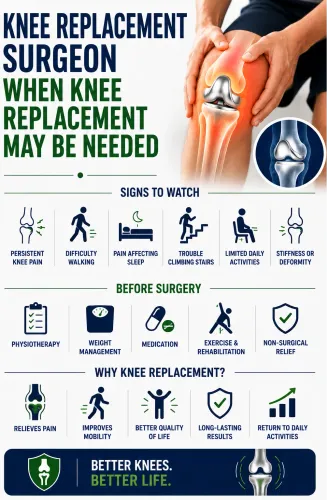
Treatment does not always mean surgery. Many knee conditions can improve through structured rehabilitation, medication, lifestyle adjustments, strengthening exercises, and activity modification. The right approach depends on the severity of the condition and the individual’s goals.
For active individuals, especially those involved in sports, early assessment can prevent minor injuries from becoming long-term problems. Athletes and fitness enthusiasts may require specialised evaluation from a Sports Medicine Specialist who understands movement patterns and injury prevention.
Dr.Ulhas Sonar Orthopaedics Clinic in Pune focuses on comprehensive evaluation and management of knee and joint-related concerns. The approach involves understanding each patient’s condition and recommending suitable treatment options based on their needs.
Maintaining healthy body weight, strengthening supporting muscles, avoiding sudden increases in physical activity, and following proper exercise techniques can support long-term knee health. However, recurring or worsening symptoms should not be ignored, as early guidance can help preserve mobility and improve quality of life.